Strength & Balance to Prevent Falls
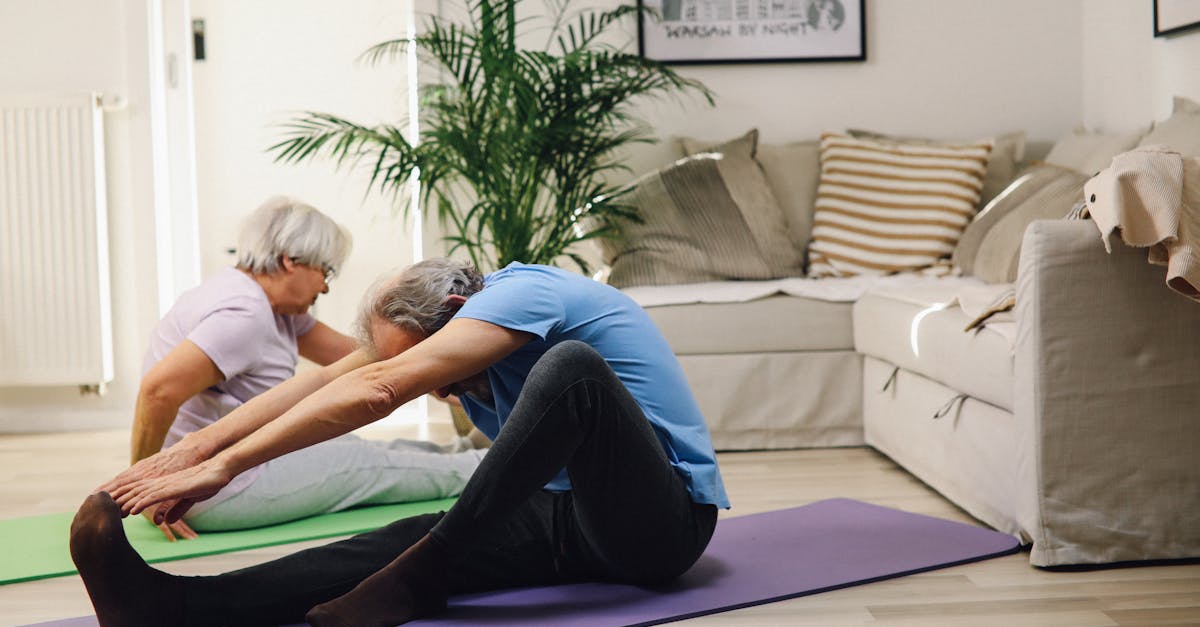
Falls cause 95% of hip fractures. But falls aren't inevitable — they're preventable. This program targets both sides of the equation: building the strength to keep you upright and training the balance reflexes that catch you when you stumble. Three sessions per week, each combining weight-bearing exercises with dedicated balance work.
Why Strength and Balance Work Together
A fall happens when your center of gravity shifts beyond your base of support and your body can't correct in time. Two things prevent this: strong muscles that can generate force quickly, and trained balance reflexes that fire automatically. You need both.
Strength training alone isn't enough — a strong person with poor balance still falls. Balance training alone isn't enough — good reflexes can't compensate for muscles too weak to respond. This program trains them together because that's how your body uses them.
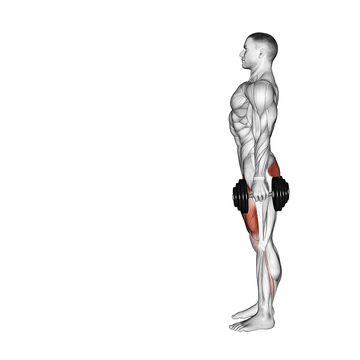
Every exercise in this program was chosen for dual benefit: it loads bones (building density) while challenging stability (building balance). A dumbbell lunge, for example, forces single-leg balance while loading the hip with resistance.
Benefits of This Program
Reduced Fall Risk
Research shows combined strength-balance programs reduce falls by 30-40% in older adults.
Stronger Bones
Weight-bearing exercises build density at the hip and spine — the most fracture-prone sites.
Faster Reflexes
Balance training improves the speed your muscles react to unexpected shifts in weight.
Greater Confidence
Moving through the world without fear of falling transforms daily life.
Better Mobility
Stronger legs and better balance mean easier stairs, walking, and getting up from chairs.
Independence
Maintaining physical capability keeps you independent longer.
Program Overview
Who it's for: Older adults (55+) concerned about fall risk and bone health
Want a program built for you?
Osteo Strength creates a personalized program based on your equipment, limitations, and bone health goals.
Create Your Program30 secWhy These Exercises?
Each exercise in this program was selected for a specific reason. Here's why:
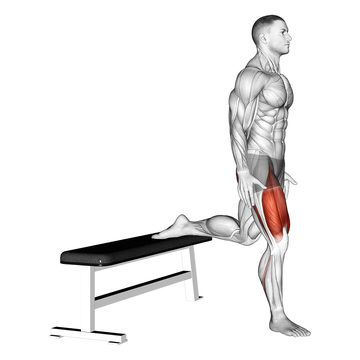
Dumbbell Lunge
Single-leg strength with inherent balance demand — directly mimics recovering from a stumble.
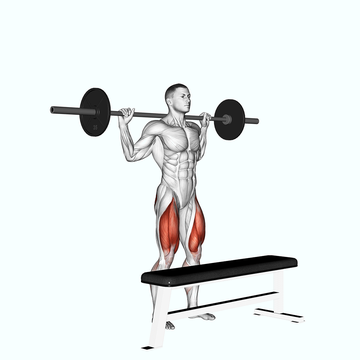
Barbell Step-up
Stair-climbing pattern that builds leg strength and single-leg stability.
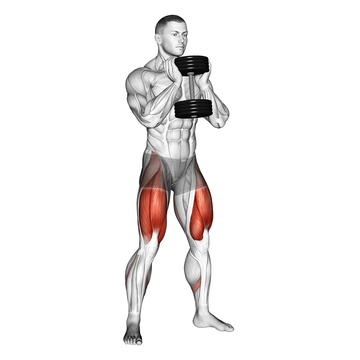
Dumbbell Goblet Squat
Fundamental lower body strength that loads the spine and hips.
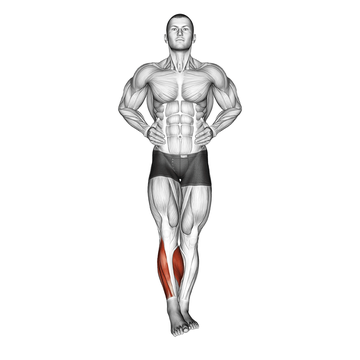
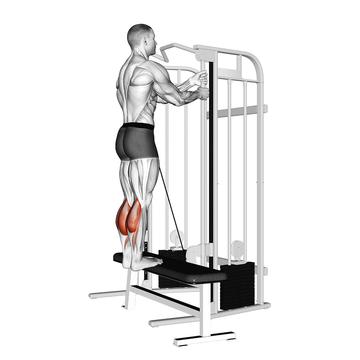
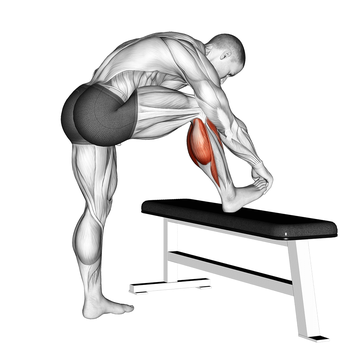
Cable Standing Calf Raise
Strong calves are essential for ankle stability — the first line of balance defense.
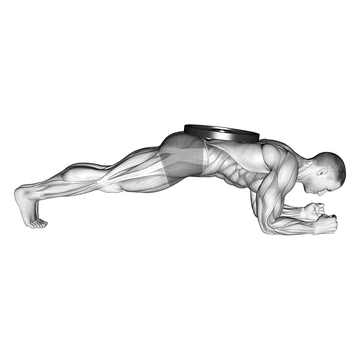
Weighted Front Plank
Core strength is the foundation of postural control and balance.
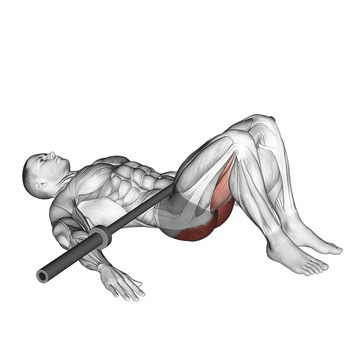
Barbell Glute Bridge
Hip extensor strength for standing up from chairs and recovering from forward lean.
The Complete 3 days Program
Follow this program consistently for best results. Start with weights that feel manageable and aim to increase gradually each week as you get stronger.
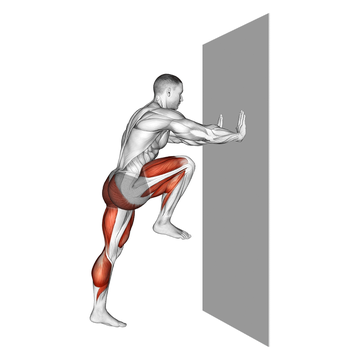
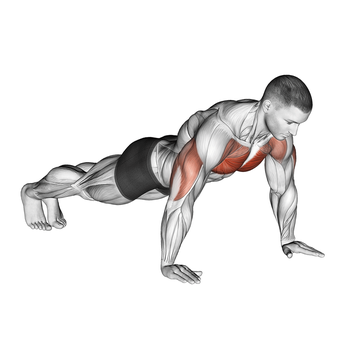
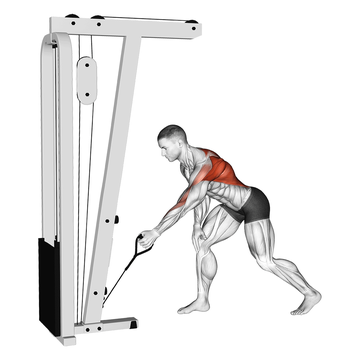
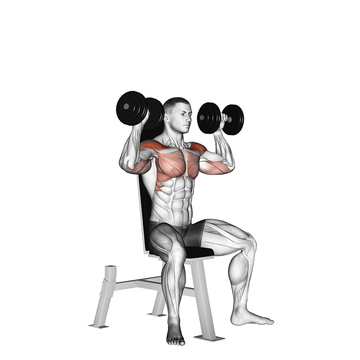
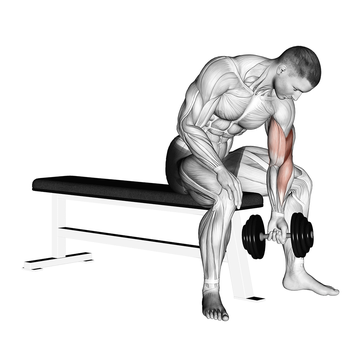
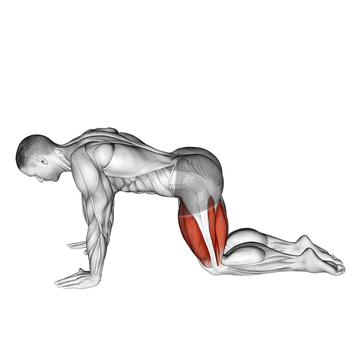
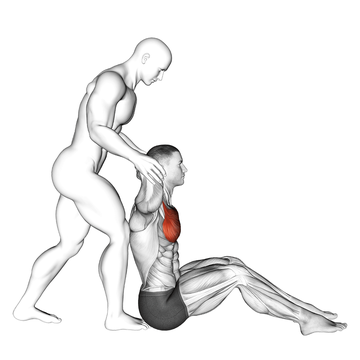
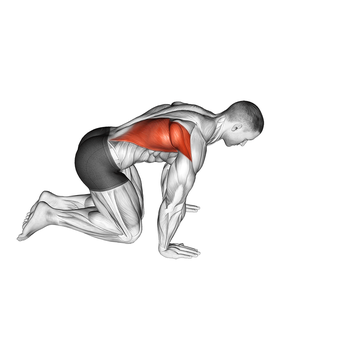
Want a program built for you?
Osteo Strength creates a personalized program based on your equipment, limitations, and bone health goals.
Create Your Program30 secStarting Your Fall Prevention Program
- Keep a chair nearby during balance exercises — use it whenever you need to.
- Start balance exercises with eyes open. Close eyes only when the open-eye version feels easy.
- Wear supportive shoes with non-slip soles during workouts.
- If you feel unsteady, reduce the weight and focus on balance first.
- Practice the single-leg balance hold during daily activities (while brushing teeth, waiting for coffee).
- Tell a household member when you are exercising, especially if you live alone.
Frequently Asked Questions
I already fell once — is it too late?
Absolutely not. One fall actually makes this program more important, not less. Strength and balance can improve significantly at any age, reducing your risk of falling again.
Can I skip the balance exercises and just do strength?
Strength alone reduces fall risk somewhat, but combined training is significantly more effective. The balance portions only add 5-10 minutes per session and make a major difference.
What if I feel dizzy during balance exercises?
Stop immediately and hold the chair. Dizziness during balance exercise can indicate inner ear issues — mention it to your doctor. Some dizziness with position changes is common but should not persist.
How quickly will my balance improve?
Most people notice meaningful balance improvements within 4-6 weeks. You will find yourself more confident on uneven surfaces and stairs relatively quickly.
Should I do this program if I use a walker or cane?
Yes, with modifications. Keep your assistive device within reach and use the chair for all balance exercises. As you get stronger, you may find you rely on it less.
Get a Free Personalized Program
Every body is different. Osteo Strength will build a strength program tailored to your exact needs: