Safe Strength Training After an Osteoporosis Diagnosis
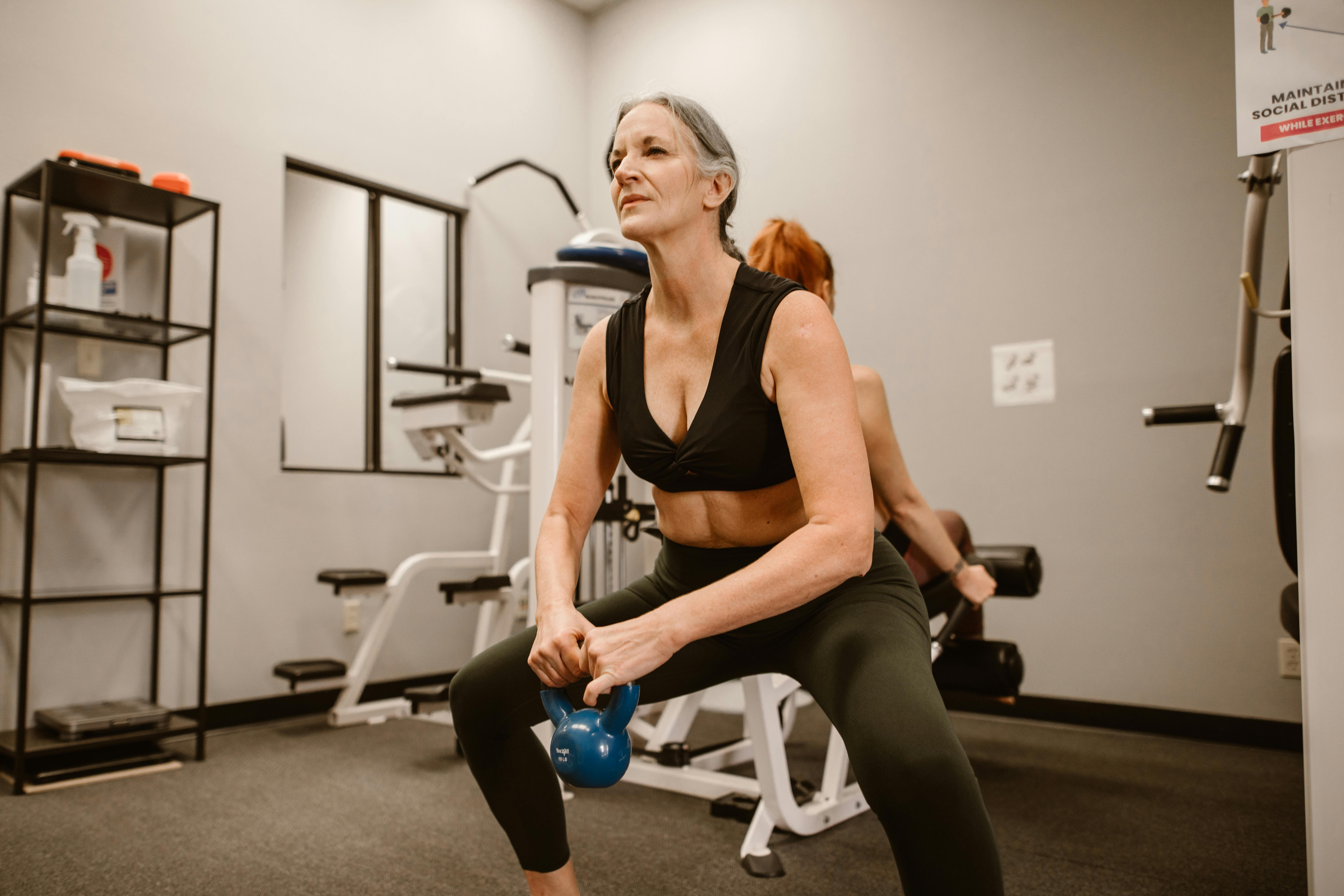
An osteoporosis diagnosis does not mean you should stop exercising — it means you need to exercise smarter. This program was designed specifically for people with low bone density, carefully avoiding movements that increase fracture risk (like heavy spinal flexion and high-impact jumping) while maximizing the bone-building exercises that are safe and effective. Two to three sessions per week, with modifications for every fitness level.
Exercising Safely with Osteoporosis
When bones are fragile, certain movements become risky. Forward bending under load (spinal flexion), twisting forcefully, and high-impact jumping can increase fracture risk in weakened bones. This program avoids all of these while still providing the resistance your bones need to rebuild.
The exercises here emphasize spinal extension (upright posture), hip hinging with a neutral spine, and controlled weight-bearing movements. These load the bone without compressing it in dangerous ways. Many exercises include a chair or wall for support.
The most important thing you can do after a diagnosis is start — safely and consistently. Inactivity accelerates bone loss. A well-designed program slows and can even reverse it.
Benefits of Training After Diagnosis
Slow or Reverse Bone Loss
Appropriate resistance training can improve bone density 1-3% per year even with osteoporosis.
Reduce Fracture Risk
Stronger muscles protect fragile bones and better balance prevents the falls that cause fractures.
Safe Movement Patterns
Learn how to move, lift, and bend in ways that protect your spine in daily life.
Improved Posture
Strengthen the back extensors that prevent the hunched posture associated with spinal fractures.
Pain Reduction
Many people with osteoporosis experience less pain when their supporting muscles are stronger.
Psychological Benefits
Taking action against your diagnosis provides a sense of control and reduces anxiety.
Program Overview
Who it's for: People diagnosed with osteoporosis or osteopenia who want to exercise safely
Want a program built for you?
Osteo Strength creates a personalized program based on your equipment, limitations, and bone health goals.
Create Your Program30 secWhy These Exercises?
Each exercise in this program was selected for a specific reason. Here's why:
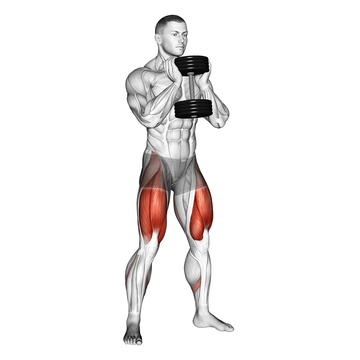
Dumbbell Goblet Squat
Loads hips and spine vertically (safe direction) while maintaining neutral spine position.
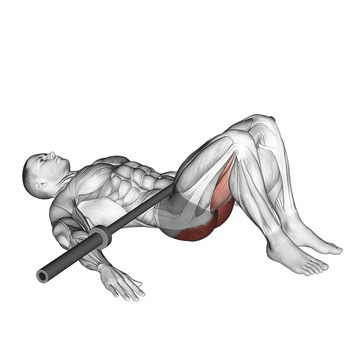
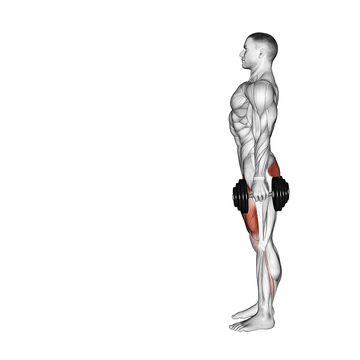
Barbell Glute Bridge
Hip strengthening without any spinal compression — lies flat with a neutral back.
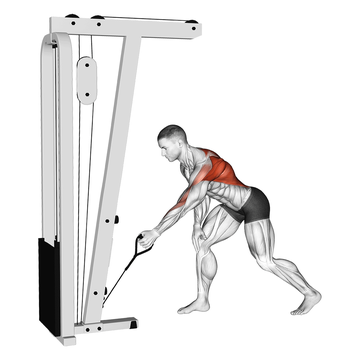
Cable One Arm Bent Over Row
Back strengthening with hip hinge position — supports spinal extensors.
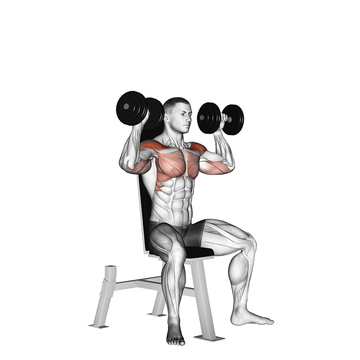
Dumbbell Seated Shoulder Press
Vertical spine loading while seated, which is safer than standing for those with balance concerns.
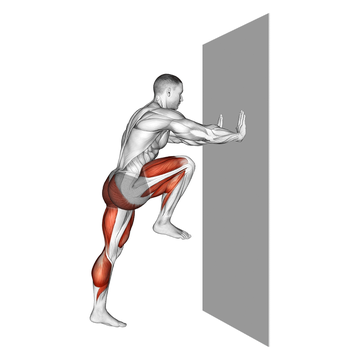
Push-up
Wrist loading for wrist bone density — wall version is available for those with low bone density.
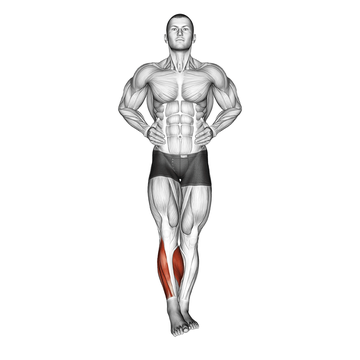
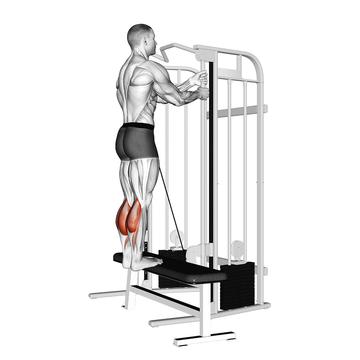
Cable Standing Calf Raise
Ankle and lower leg strength for balance — minimal spine stress.
The Complete 2-3 days Program
Follow this program consistently for best results. Start with weights that feel manageable and aim to increase gradually each week as you get stronger.
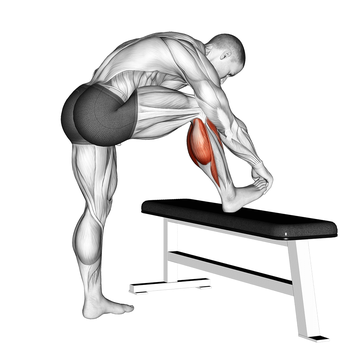
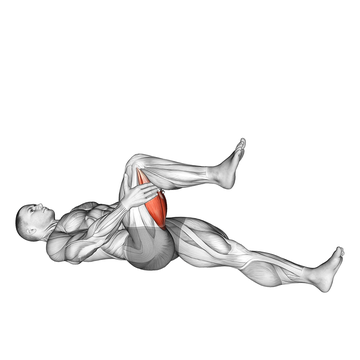
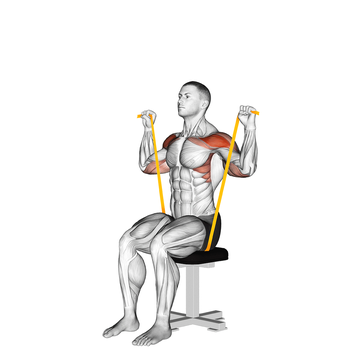
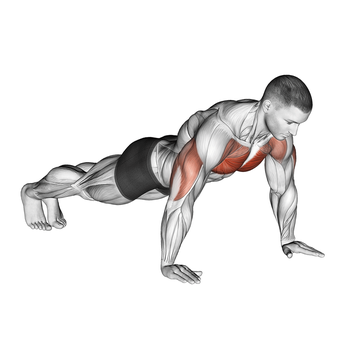
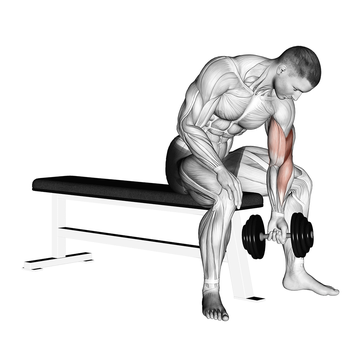
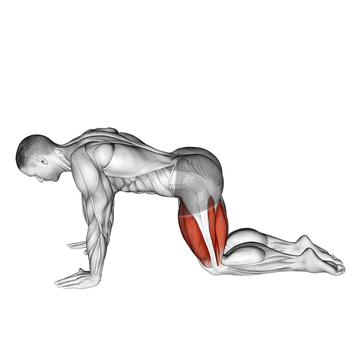
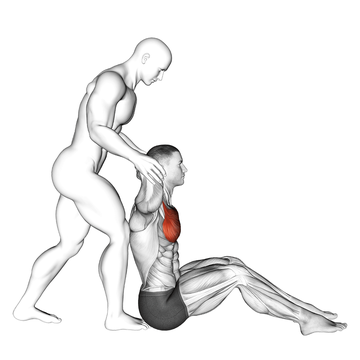
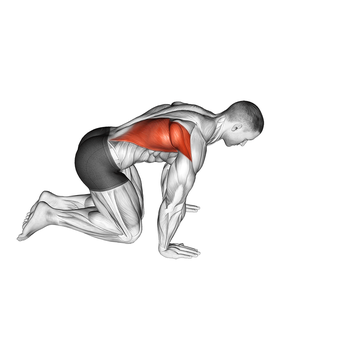
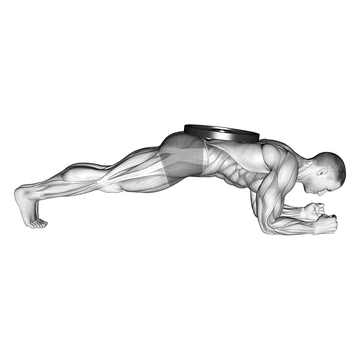
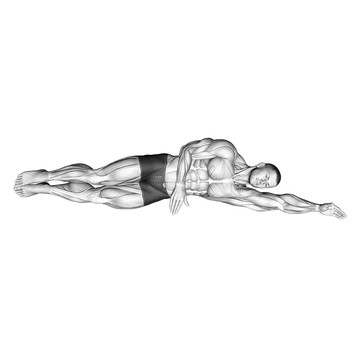
Want a program built for you?
Osteo Strength creates a personalized program based on your equipment, limitations, and bone health goals.
Create Your Program30 secStarting Safely After Diagnosis
- Show this program to your doctor or physiotherapist before starting.
- Always maintain a neutral spine — never round your back under load.
- Avoid exercises that involve bending forward at the waist while holding weight.
- Do not do sit-ups, crunches, or toe touches — these flex the spine under load.
- Start with the lightest weights and increase very gradually.
- If you feel sharp pain during any exercise, stop immediately and consult your healthcare provider.
Frequently Asked Questions
Is it safe to lift weights with osteoporosis?
Yes, when done correctly. The key is avoiding spinal flexion under load, high-impact movements, and excessive twisting. This program is specifically designed to avoid those movements while providing bone-building stimulus.
Should I avoid exercise entirely?
No — inactivity is one of the worst things for osteoporosis. Bone loss accelerates without mechanical loading. Safe, appropriate exercise is one of the most effective treatments alongside medication.
What exercises should I never do?
With osteoporosis, avoid: sit-ups/crunches, toe touches, heavy deadlifts with rounded back, high-impact jumping, rapid twisting movements, and any exercise that causes pain in your spine.
Can exercise replace medication?
Exercise complements medication but does not replace it. If your doctor has prescribed bisphosphonates or other bone medications, continue taking them. Exercise provides additional benefits that medication alone cannot.
What if my doctor said no exercise?
Some doctors give this advice out of caution. Ask specifically: "Can I do supervised, low-impact resistance training designed for osteoporosis?" Most will support an appropriate program. Consider asking for a referral to a physiotherapist.
Get a Free Personalized Program
Every body is different. Osteo Strength will build a strength program tailored to your exact needs: