Bone Density Training for Complete Beginners
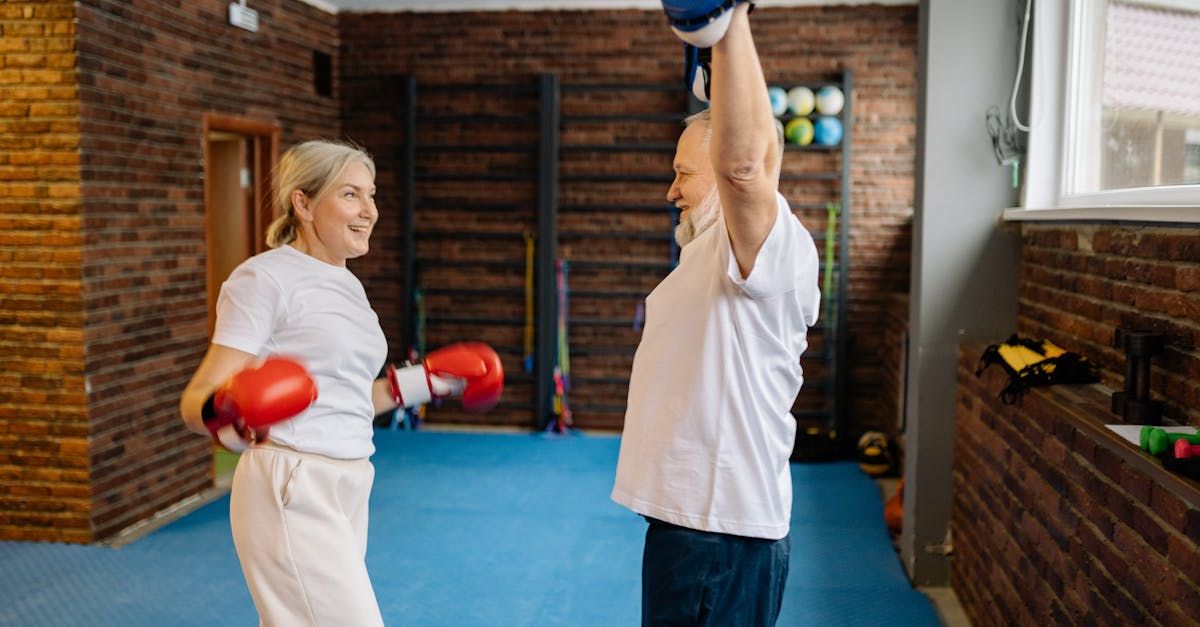
Starting a bone density program can feel overwhelming if you've never exercised before. This program removes that barrier entirely. Designed for true beginners, it uses simple, safe movements that gradually load your bones — the exact stimulus they need to stay strong. Two short sessions per week is all it takes to start building a foundation.
Why Beginners Can Build Bone
Bones respond to mechanical stress by getting stronger — it's called Wolff's Law. When muscles pull on bones during weight-bearing exercise, bone-building cells (osteoblasts) activate and lay down new bone tissue. The good news for beginners: untrained bones respond faster to new stimulus than bones that are already adapted to exercise.
You don't need heavy weights to start. Even bodyweight exercises and light dumbbells create meaningful bone stress when you're starting from zero. The key is consistency and progressive challenge — doing a little more each week.
This program focuses on the bones most vulnerable to osteoporosis: the spine, hips, and wrists. Every exercise was chosen to load these specific areas safely.
Benefits of Starting Now
Stimulate Bone Growth
Even light resistance training triggers bone-building cells to strengthen your skeleton.
Build Confidence
Learn proper form on fundamental movements before progressing to heavier loads.
Improve Balance
Reduce fall risk with exercises that challenge stability alongside strength.
Protect Your Spine
Strengthen the muscles that support your vertebrae and maintain upright posture.
Build a Lasting Habit
Two short sessions per week is sustainable enough to stick with long-term.
Program Overview
Who it's for: Complete beginners with no gym experience, especially those concerned about bone health
Want a program built for you?
Osteo Strength creates a personalized program based on your equipment, limitations, and bone health goals.
Create Your Program30 secWhy These Exercises?
Each exercise in this program was selected for a specific reason. Here's why:
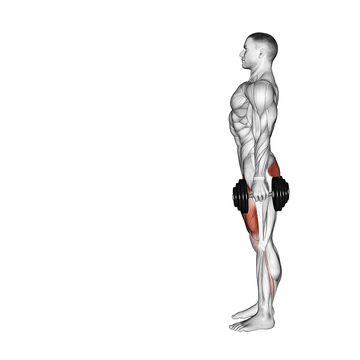
Quads (bodyweight Squat)
The most fundamental lower body movement — loads the spine and hips with just your bodyweight.
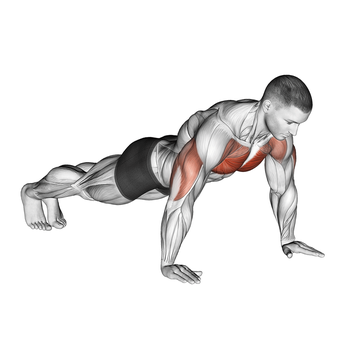
Push-up
Loads the wrists, arms, and spine. Can be done from the knees to start.
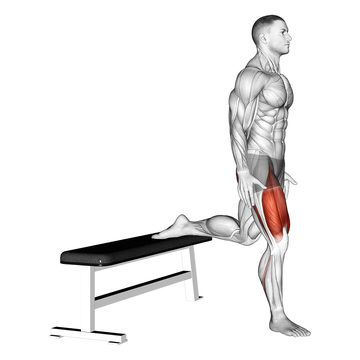
Dumbbell Lunge
Single-leg work that loads the hips while building balance — critical for fall prevention.
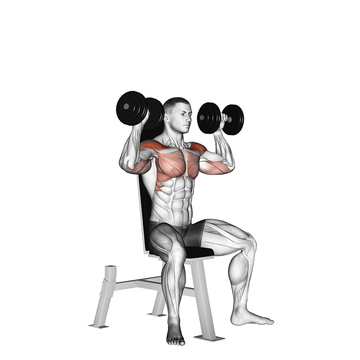
Dumbbell Seated Shoulder Press
Overhead pressing loads the spine vertically and strengthens the shoulders.
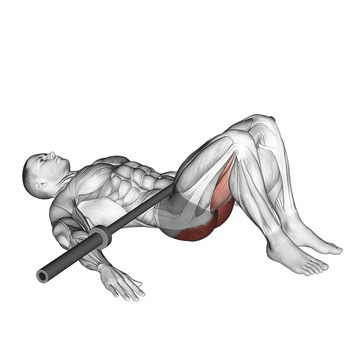
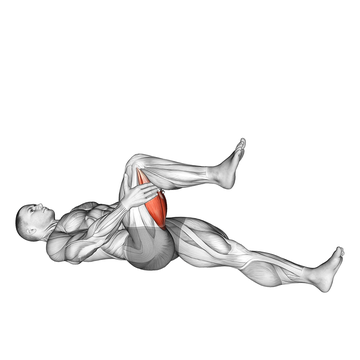
Barbell Glute Bridge
Gentle hip loading that strengthens the glutes and lower back without spinal compression.
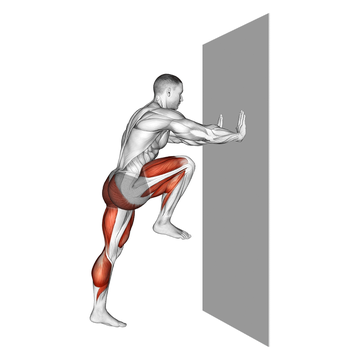
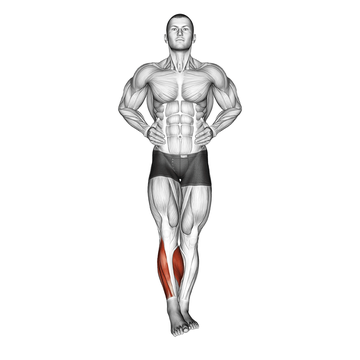
The Complete 2 days Program
Follow this program consistently for best results. Start with weights that feel manageable and aim to increase gradually each week as you get stronger.
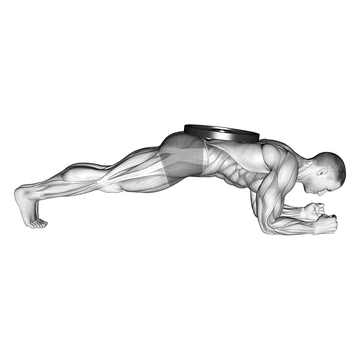
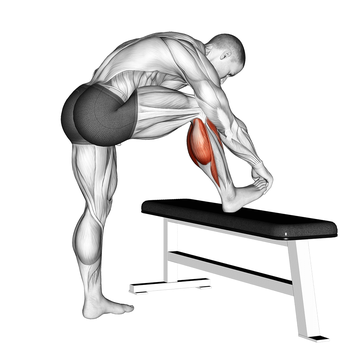
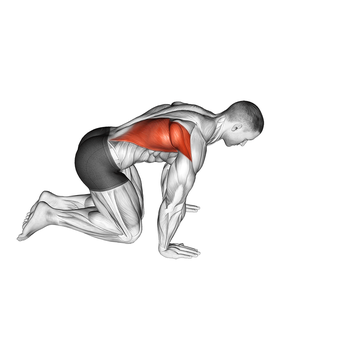
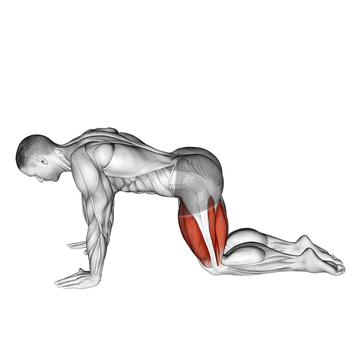
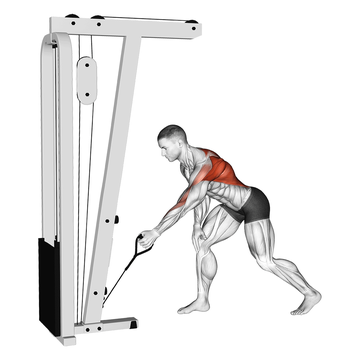
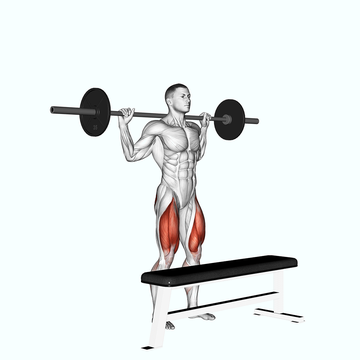
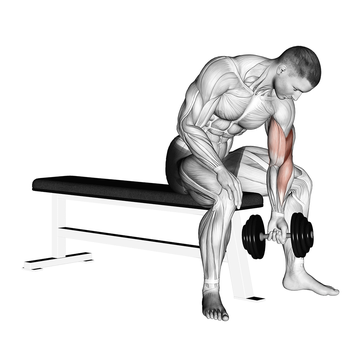
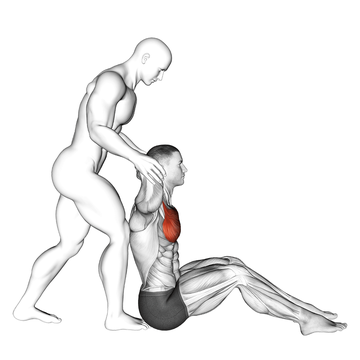
Want a program built for you?
Osteo Strength creates a personalized program based on your equipment, limitations, and bone health goals.
Create Your Program30 secGetting Started Safely
- Start with the lightest weights available — or just bodyweight — and focus on form first.
- Rest at least 2 days between sessions to allow your body to adapt.
- If an exercise causes joint pain (not muscle fatigue), stop and try a modification.
- Increase weight only when you can complete all reps with good form.
- Get adequate calcium (1000-1200mg daily) and vitamin D to support bone building.
- Tell your doctor you are starting a bone density program, especially if you have osteoporosis.
Frequently Asked Questions
Is it too late to start exercising for bone density?
No. Research shows bone density can improve at any age with appropriate resistance training. Even people in their 70s and 80s see meaningful improvements.
Will this program hurt my joints?
These exercises are designed to be joint-friendly. Start with very light weight and focus on smooth, controlled movements. If any exercise causes sharp pain, skip it.
How soon will I see results?
Bone density changes take 6-12 months to measure on a DEXA scan. However, you will notice strength and balance improvements within 4-6 weeks.
Do I need a gym membership?
No. This program can be done at home with a pair of light dumbbells and a sturdy chair. As you progress, you may want more equipment, but it is not required to start.
Can I do this with osteoporosis?
Yes, but consult your doctor first. This program avoids high-impact and spinal flexion exercises. Your doctor may recommend specific modifications based on your bone density results.
Get a Free Personalized Program
Every body is different. Osteo Strength will build a strength program tailored to your exact needs: